Apollo 12 UFO Files and Transcript: NASA Lunar Anomaly Field Guide
The NASA files in PURSUE are the kind of material UFO researchers can spend hours with. They are not just “space photos.” They sit at the intersection of astronaut field documentation, mission transcripts, lunar surface photography, and a UAP-focused release filter.
That combination matters. A normal Apollo image is interesting. An Apollo image selected into a UAP declassification batch asks a sharper question: what did the review process see that made this frame relevant?
This field guide is built for readers who want to inspect the files like researchers, not just scroll past them.
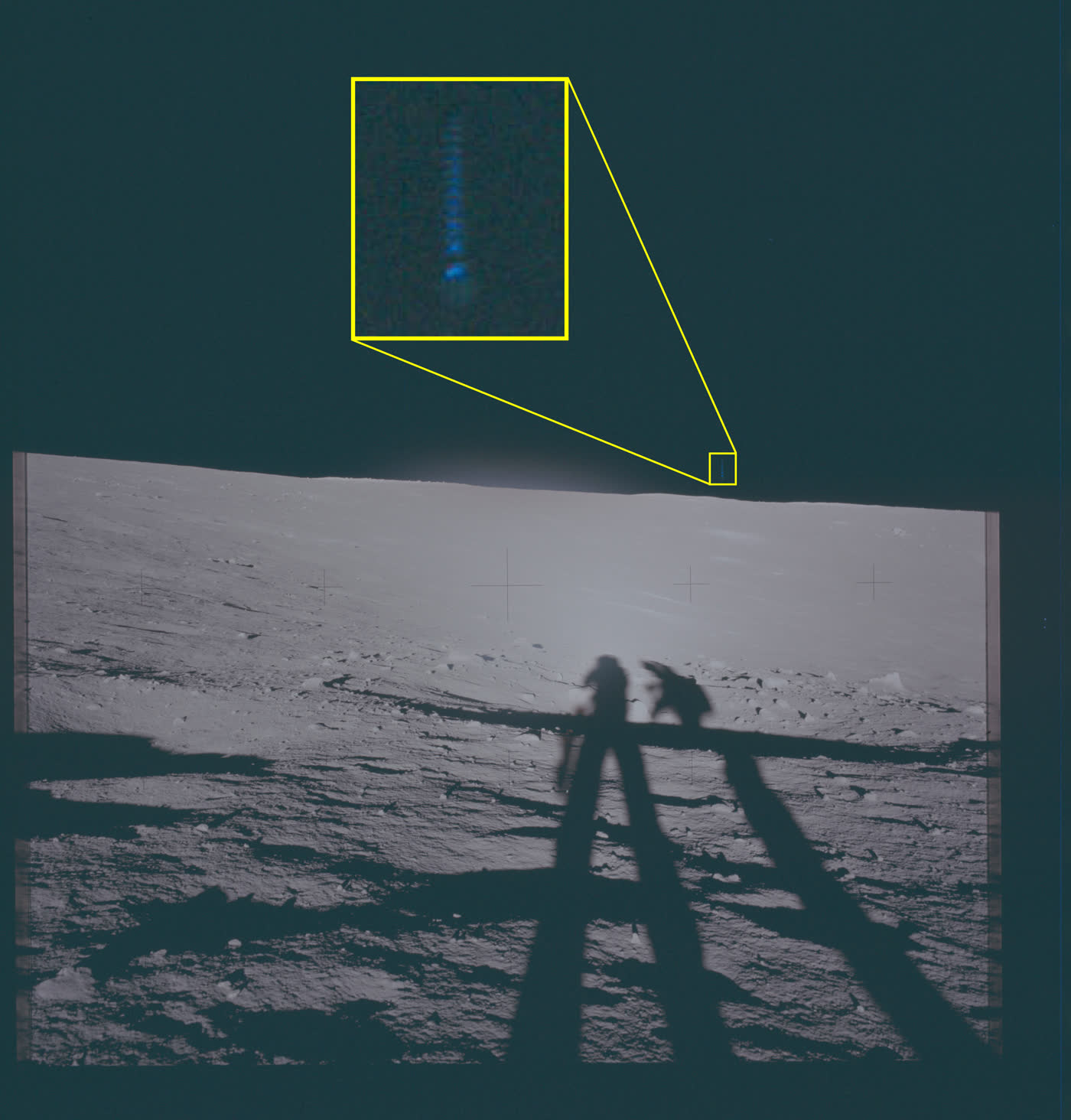
Why UFO Researchers Should Care
Apollo-era imagery is difficult evidence. It is easy to overread compression marks, film grain, lens behavior, scan artifacts, and harsh lunar lighting. It is also easy to dismiss everything too quickly because the images are old and familiar.
The PURSUE release makes the middle path more useful:
| Research question | Why it matters |
|---|---|
| Why were these specific frames included? | Selection can be as important as the image itself. |
| Do transcript and debrief files point to the same mission phase? | Cross-file consistency is stronger than a single image claim. |
| Is the anomaly visible in multiple frames? | Repeatability lowers the chance of a one-frame artifact. |
| Does the image contain mission hardware, horizon, or shadow references? | References help separate object claims from camera effects. |
The goal is not to force an answer. The goal is to build a better reading method.
The Visual Stack
The strongest way to study these files is not one image at a time. Build a stack:
- Apollo 12 visual media files
- Apollo 12 transcript
- Apollo 11 technical crew debriefing
- Apollo 17 transcript and debriefings
- Apollo 17 visual media file
The stack lets you ask whether the visual record, voice record, and post-mission review are pointing at the same family of observations.
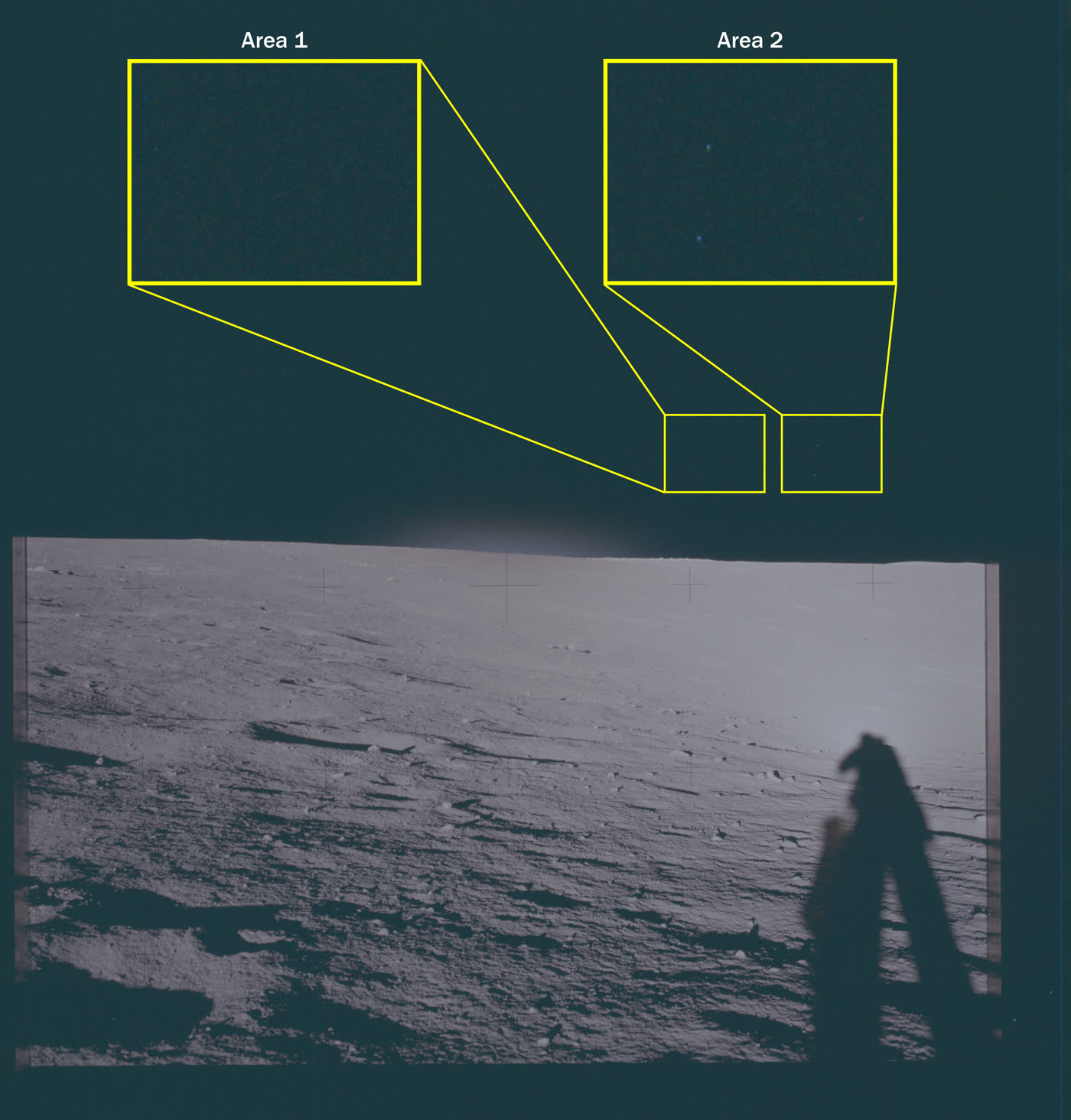
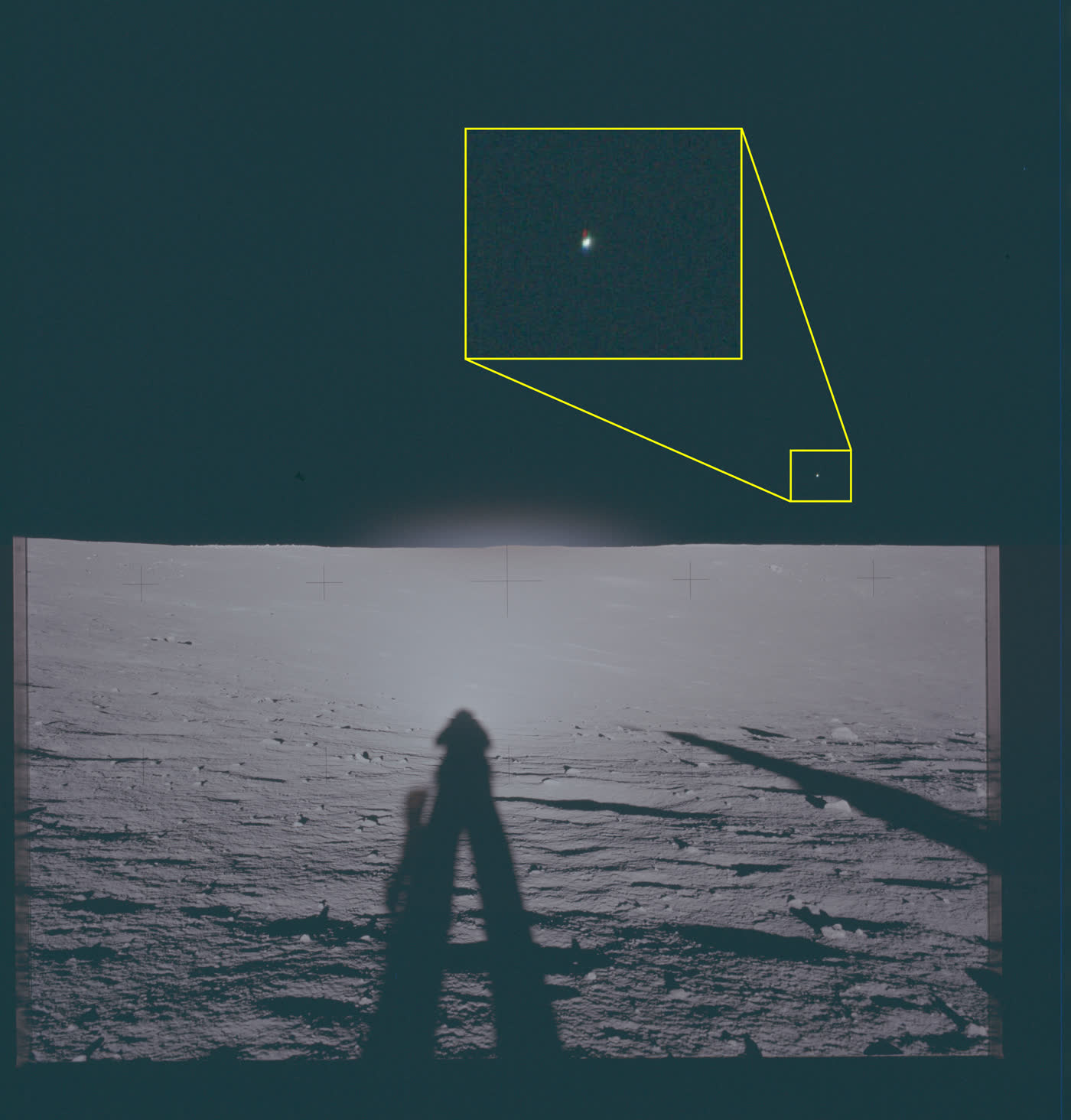
Start with the image record:
Then place the images beside the text record:
- Apollo 12 Communications Transcript
- Apollo 11 Technical Crew Debriefing
- Apollo 17 Communications Transcript
- Apollo 17 Technical Crew Debriefing
A Practical Viewing Method
Do not begin by zooming to 800 percent. That is how normal image noise becomes a story.
Use this order instead.
1. Read the Whole Frame
At normal size, identify the basic geometry:
- Is there a horizon?
- Is the surface flat, sloped, or broken by rocks?
- Are shadows running in a consistent direction?
- Is mission hardware visible?
- Are there obvious crop marks or scan edges?
If the frame has a horizon, the horizon becomes your first control line. If the frame has shadows, shadow direction becomes your second control line.
2. Separate Sky, Surface, and Frame Edge
Apollo anomaly claims often collapse three different zones into one argument. Keep them separate:
| Zone | Common false lead | Better question |
|---|---|---|
| Black sky | Dust, scratches, scan marks, bright pixels | Does the point repeat in nearby frames? |
| Lunar surface | Rock shape, shadow, crater edge | Does the shadow match surrounding terrain? |
| Frame edge | Scan border, film handling mark | Is it part of the original scene or the scan? |
This is where a UFO enthusiast can do better work than a casual viewer. Most weak claims fail because they do not identify which zone they are analyzing.
3. Compare Similar Mission Frames
If VM1 and VM2 share similar lighting, compare them before drawing conclusions. If a bright feature appears only in one frame, note it but do not treat it as solved. If a feature persists across different angles, then it becomes more interesting.
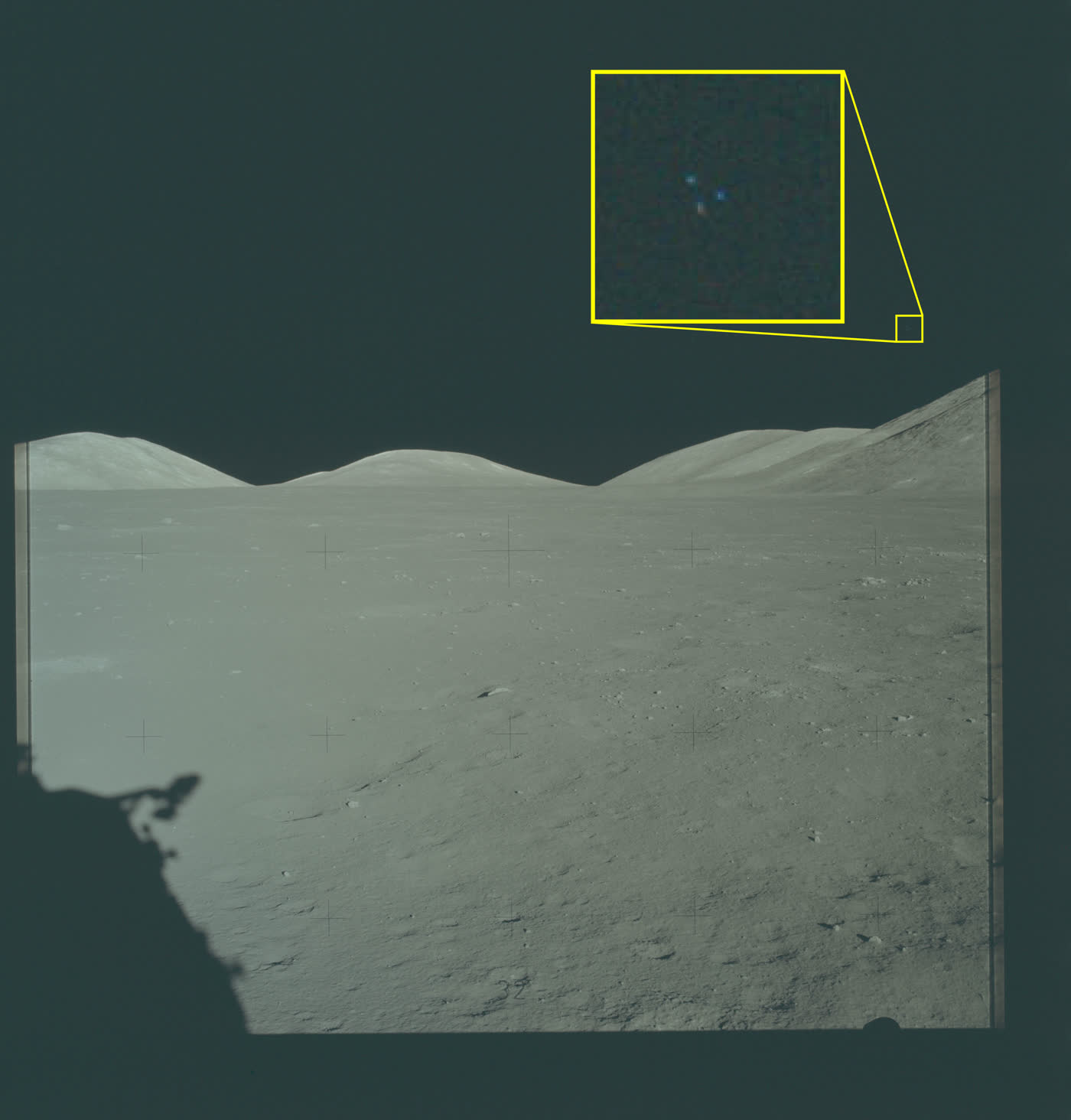
4. Tie Visual Clues Back to Records
The visual files should not float alone. The most interesting research path is cross-reference:
- If a transcript mentions an unusual observation, does a visual file sit near the same mission context?
- If a debriefing describes lighting, navigation, or observation difficulty, does that change how you interpret the image?
- If the file title is generic, does the document page metadata provide a better anchor?
This is where the archive helps. Each document page preserves agency, date, category, release date, source file, and related records.
What Not to Overclaim
The Apollo material is fascinating precisely because it is ambiguous. Treat that ambiguity as part of the evidence.
Avoid these shortcuts:
- “A dot in the sky means a craft.” It may be dust, film damage, scan noise, or a star-like artifact.
- “NASA included it, so it must be alien.” Inclusion means relevance to review criteria, not a conclusion.
- “Old photo equals weak evidence.” Old does not mean useless. It means the chain of interpretation must be careful.
- “No explanation equals exotic explanation.” A missing explanation is a research gap, not proof.
The stronger claim is narrower: these files deserve close inspection because they were selected into a UAP-focused release and can be compared against mission documents.
Best Research Questions for Enthusiasts
If you want to make a useful contribution, focus on questions that other readers can reproduce:
- Which exact region of the image are you analyzing?
- Is the feature visible before heavy zoom or enhancement?
- Does it appear in more than one frame?
- Does it align with shadows, horizon, or mission hardware?
- Is there a related transcript or debriefing clue?
- Can another reader open the same source page and verify your observation?
That last point matters most. A good anomaly note should be repeatable.
Quick Reference
| File | Use it for |
|---|---|
| NASA-UAP-VM1 | Baseline Apollo 12 lunar frame |
| NASA-UAP-VM2 | Comparison frame for lighting and surface texture |
| NASA-UAP-VM3 | Secondary Apollo 12 anomaly check |
| NASA-UAP-VM6 | Cross-mission comparison point |
| Apollo 12 Transcript | Voice-record context |
| Apollo 17 Debriefing | Post-mission technical context |
Bottom Line
The Apollo visual files are not a single smoking gun. They are a research set.
For UFO enthusiasts, that is better. A single viral frame usually collapses into argument. A connected set of images, transcripts, debriefings, and document metadata gives researchers something sturdier: a way to test claims, reject weak readings, and identify the few details that remain genuinely hard to explain.