UFO Films, TV & Reports
A curated guide to the screen stories, documentaries, journalism, official reports, and public hearings that shaped the global UFO conversation.
Separate fiction, documentary storytelling, journalism, and source records
This column sits beside the document archive. It does not treat every movie or report as evidence. It shows how UFO ideas move through public imagination, newsroom coverage, official language, and entertainment around the world.
Featured Signals
High-impact works and reports that changed the public vocabulary around UFOs.
The Day the Earth Stood Still
It helped define the classic saucer arrival story for postwar cinema.
Close Encounters of the Third Kind
It became one of the reference points for how UFO contact is staged on screen.
The X-Files
It made UFO secrecy part of mainstream serialized TV language.
The Age of Disclosure
It became a major modern test of how documentary craft, testimony, politics, and evidence boundaries collide.
Project BLUE BOOK records
It remains one of the largest official public archives for historical UFO reporting.
Roswell incident
It is the central example of how a local report can become a global disclosure myth.
USS Nimitz Tic Tac encounter
It connects pilot testimony, military sensors, official video culture, and the modern Pentagon UAP era.
Department of Defense releases Navy UAP videos
It moved several widely discussed clips from leaked internet material into official public release.
ODNI Preliminary Assessment on UAP
It gave the public a formal intelligence frame for UAP reporting and data gaps.
Screen Works
Films, series, and documentaries where UFOs shape the story, visual language, or public debate.
The Day the Earth Stood Still
A flying saucer lands in Washington, D.C., turning the UFO image into a Cold War warning about fear, weapons, and first contact.
It helped define the classic saucer arrival story for postwar cinema.
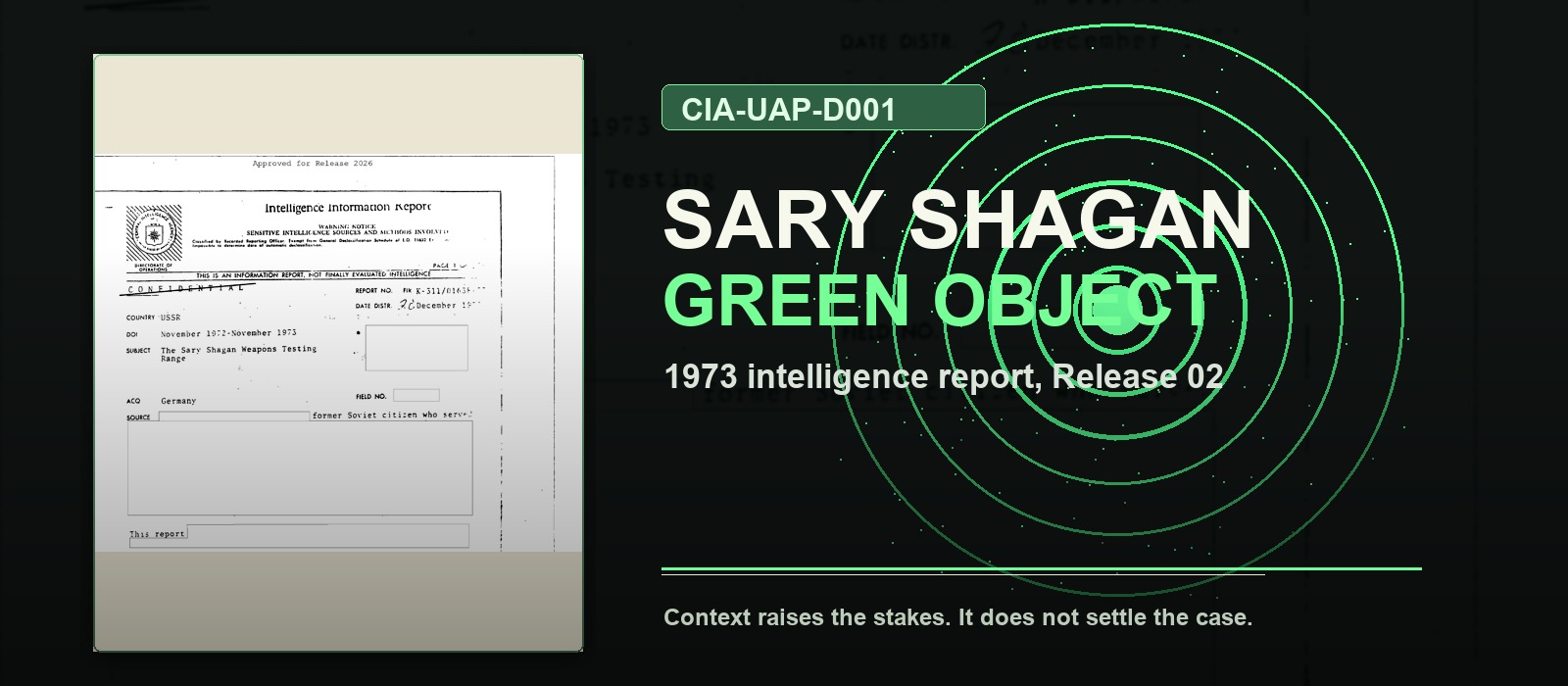
The Mysterians
Toho mixed alien visitors, hidden bases, disaster spectacle, and postwar science anxiety into one of Japan's early widescreen UFO stories.
It shows how the flying saucer idea moved beyond U.S. popular culture.
Close Encounters of the Third Kind
Steven Spielberg turned UFO contact into a story of obsession, sound, light, official secrecy, and a peaceful encounter at Devil's Tower.
It became one of the reference points for how UFO contact is staged on screen.
The X-Files
FBI agents investigate unexplained cases, turning UFO cover-ups, whistleblowers, black projects, and public distrust into long-running television mythology.
It made UFO secrecy part of mainstream serialized TV language.
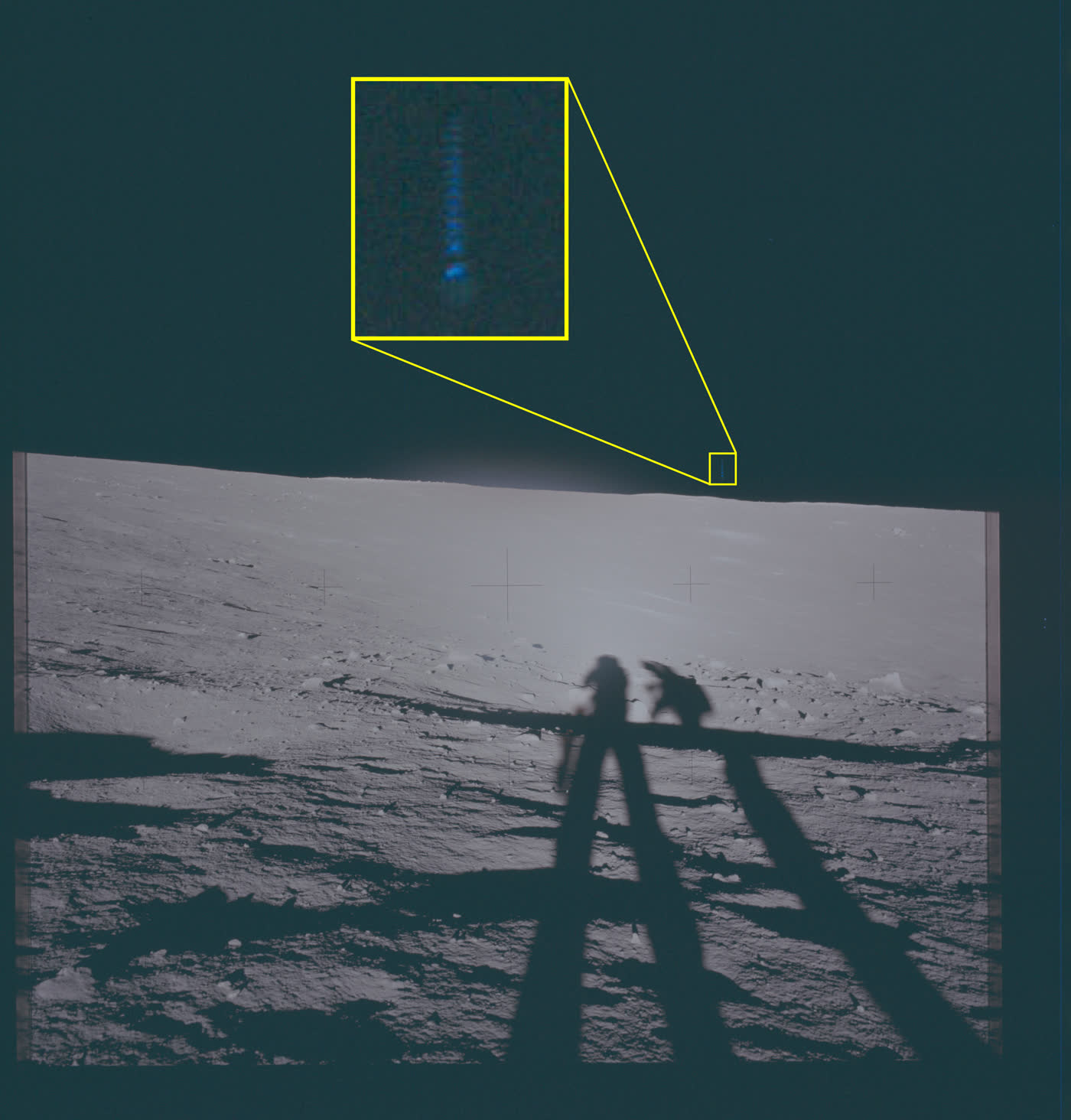
Arrival
A linguist is asked to communicate with visitors whose craft appear across the world, shifting the UFO story from threat response to interpretation.
It treats contact as a problem of language, time, and human cooperation.
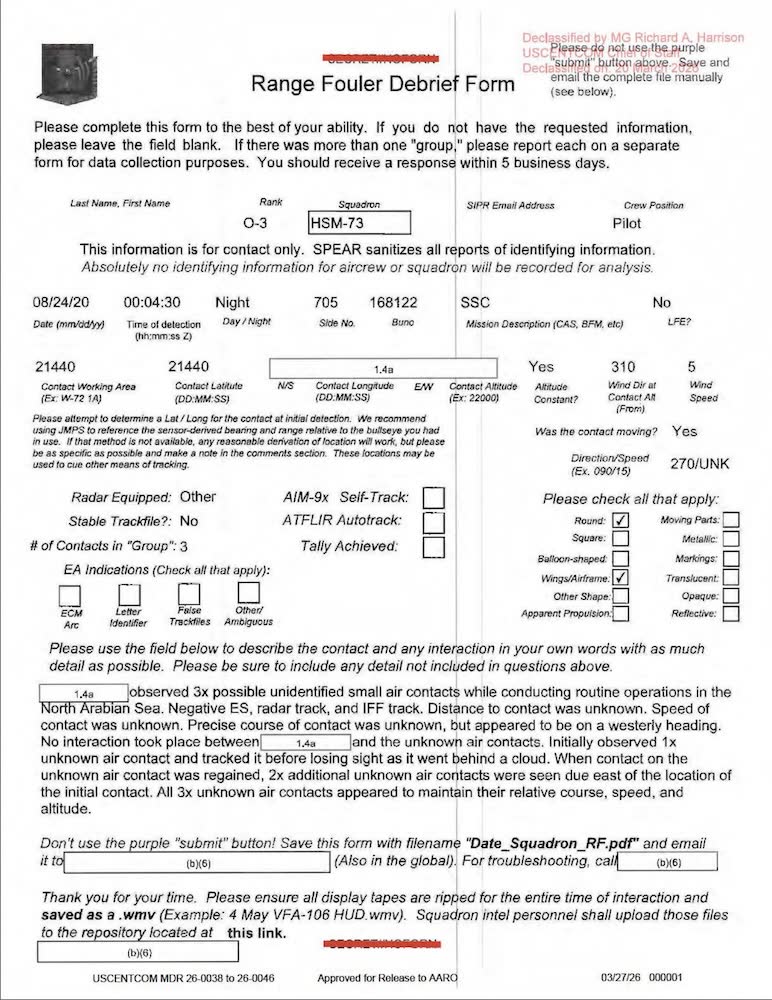
The Phenomenon
James Fox surveys decades of UFO cases, military testimony, nuclear-site reports, and the renewed public attention after the Pentagon video era.
It packages modern disclosure arguments for a broad documentary audience.
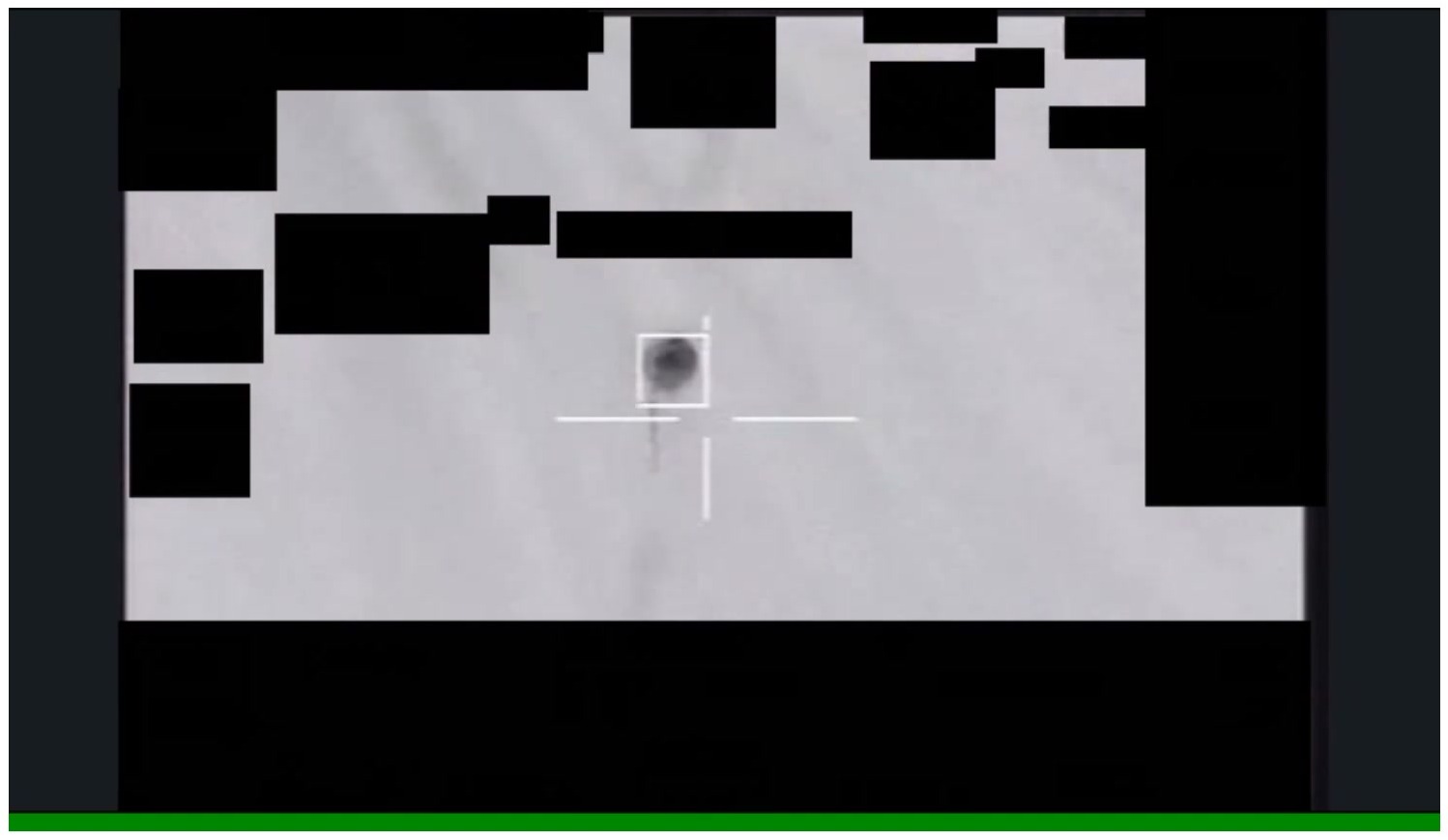
Nope
Jordan Peele reframes the flying saucer as spectacle, predation, media capture, and the human urge to turn danger into an image.
It shows how the UFO image still works in horror, westerns, and media criticism.
UFO Sweden / Watch the Skies
A Swedish adventure film follows a young woman and a UFO association investigating a missing father and possible contact.
It brings local UFO club culture and family mystery into a European genre frame.
Moment of Contact
A documentary centered on reported 1996 events in Varginha, Brazil, including claims of a UFO crash and unusual beings.
It gives an international case a documentary treatment aimed at English-speaking viewers.
Encounters
A Netflix series built around multiple-witness UFO accounts from different countries and communities.
It reflects the current shift toward global, witness-centered UFO storytelling.
The Manhattan Alien Abduction
A Netflix docuseries revisits Linda Napolitano's controversial 1989 abduction claim and the dispute around how the story should be told.
It is a useful modern example of how streaming documentaries turn older UFO lore into contested public narrative.
Project UFO
A Polish Netflix drama places a UFO investigation inside 1980s communist Poland, mixing state pressure, media attention, and local belief.
It expands the Culture map beyond U.S. disclosure stories and shows how UFO fiction works in a different political memory.
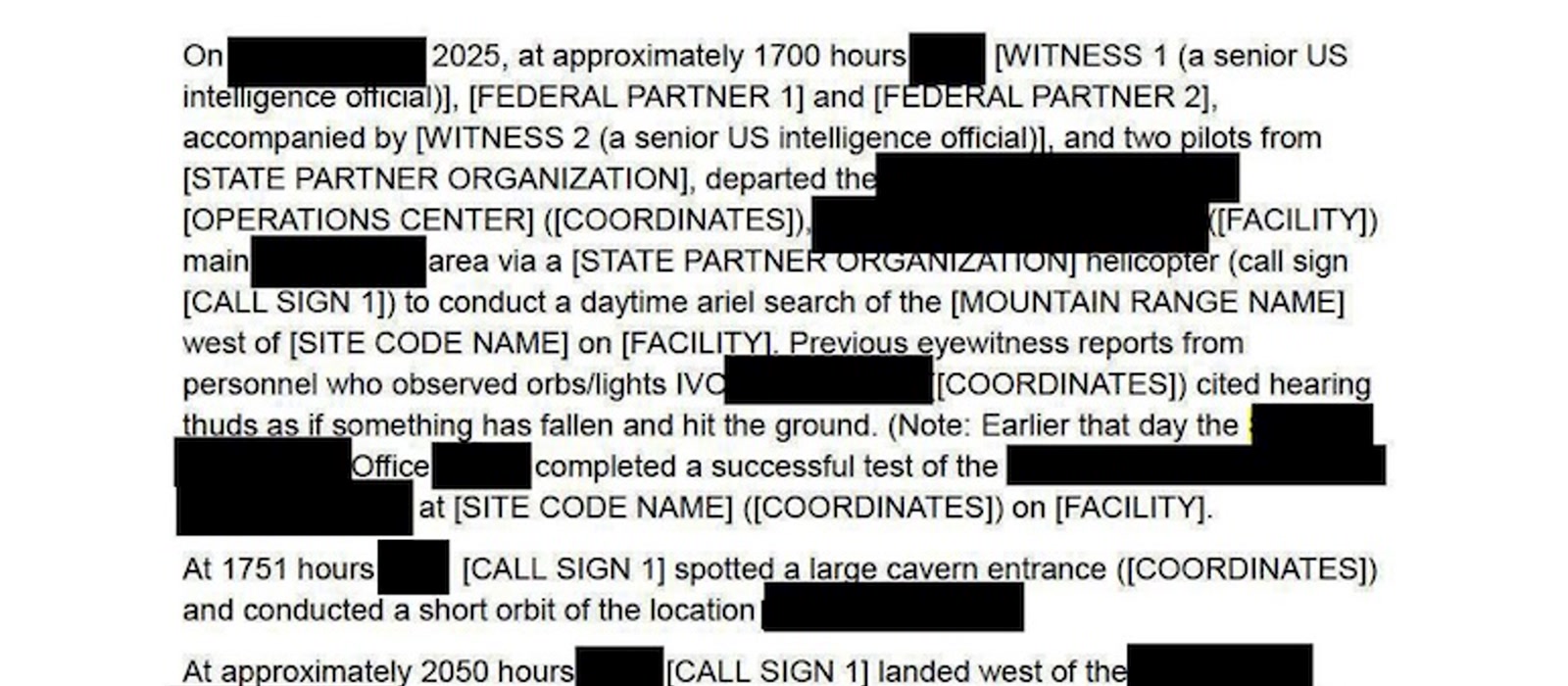
The Age of Disclosure
A polished disclosure-movement documentary built around interviews with officials, military figures, and advocates making strong claims about secrecy.
It became a major modern test of how documentary craft, testimony, politics, and evidence boundaries collide.
Disclosure Day
Steven Spielberg's UFO film brings government disclosure, religious anxiety, AI-era media debate, and first-contact spectacle into one mainstream release.
It shows how UFO culture has returned to blockbuster cinema at the same moment official UAP releases are accelerating.
Reports & Public Records
News moments, official records, and public hearings that shaped the factual side of UFO history.
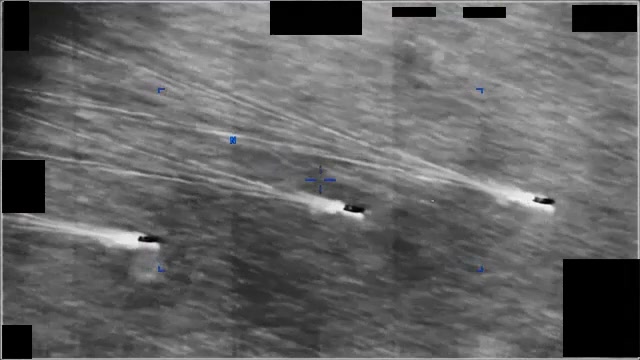
Kenneth Arnold and the "flying saucer" wave
A private pilot reported seeing fast-moving objects near Mount Rainier, helping launch the modern "flying saucer" news cycle.
The phrase and the pattern of mass public attention became part of UFO culture almost immediately.
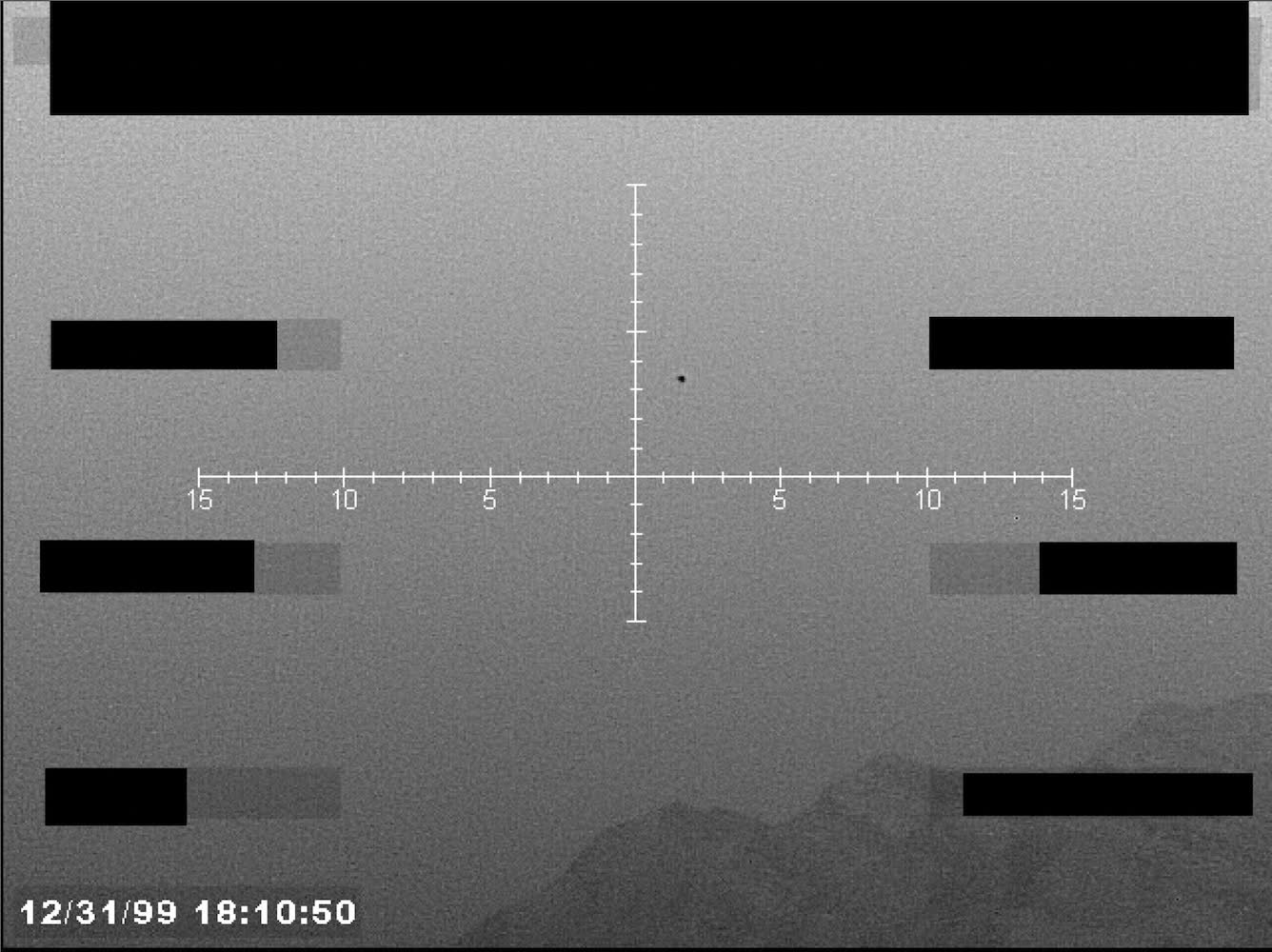
Project BLUE BOOK records
The U.S. Air Force program collected and evaluated UFO reports from the early Cold War through 1969.
It remains one of the largest official public archives for historical UFO reporting.
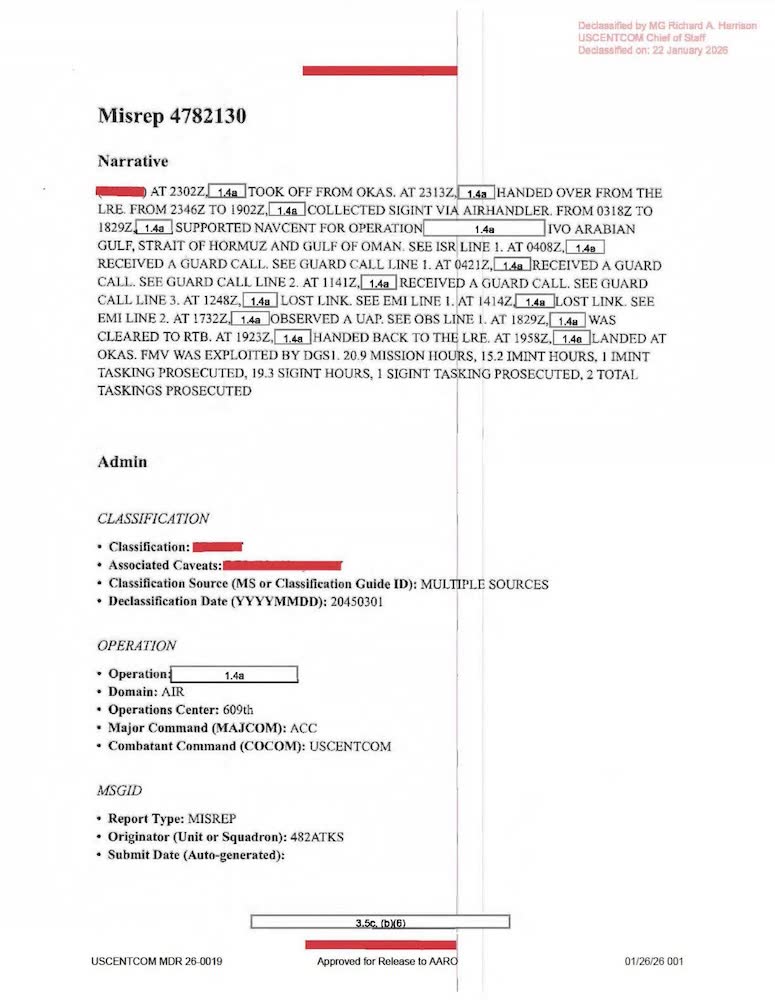
Rendlesham Forest files
The UK National Archives holds files and correspondence around reported lights near RAF Woodbridge and Rendlesham Forest.
It is one of Britain's best-known UFO cases and a major example of archival public interest.
Belgian UFO wave
A wave of reports described large triangular objects over Belgium, drawing police, press, and military attention.
It became one of Europe's most cited modern UFO waves.
Roswell incident
The 1947 Roswell story became the most durable American UFO crash narrative, later reshaped by Air Force reports, books, television, tourism, and conspiracy culture.
It is the central example of how a local report can become a global disclosure myth.
Ariel School UFO incident
A group of schoolchildren near Ruwa, Zimbabwe reported seeing craft and beings in 1994, creating one of the best-known African UFO witness cases.
It gives the Culture section an important non-U.S. witness case that is often cited in global UFO documentaries.
Phoenix Lights
Thousands of people in Arizona and Nevada reported lights across the sky in March 1997, creating one of America's most famous modern mass-sighting events.
It is a high-search case where public memory, military explanations, video, and local identity still overlap.
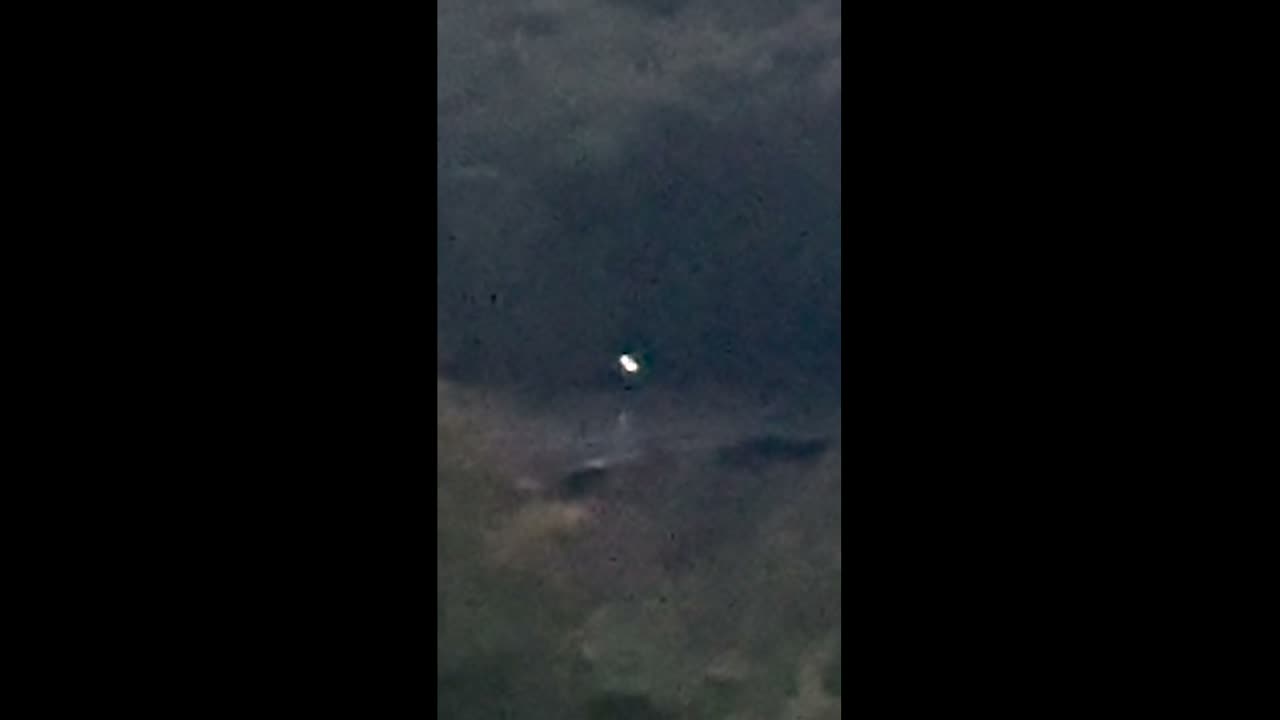
USS Nimitz Tic Tac encounter
The 2004 Nimitz carrier group encounter became a modern reference case after Navy pilot testimony and later public attention around the FLIR1 video.
It connects pilot testimony, military sensors, official video culture, and the modern Pentagon UAP era.
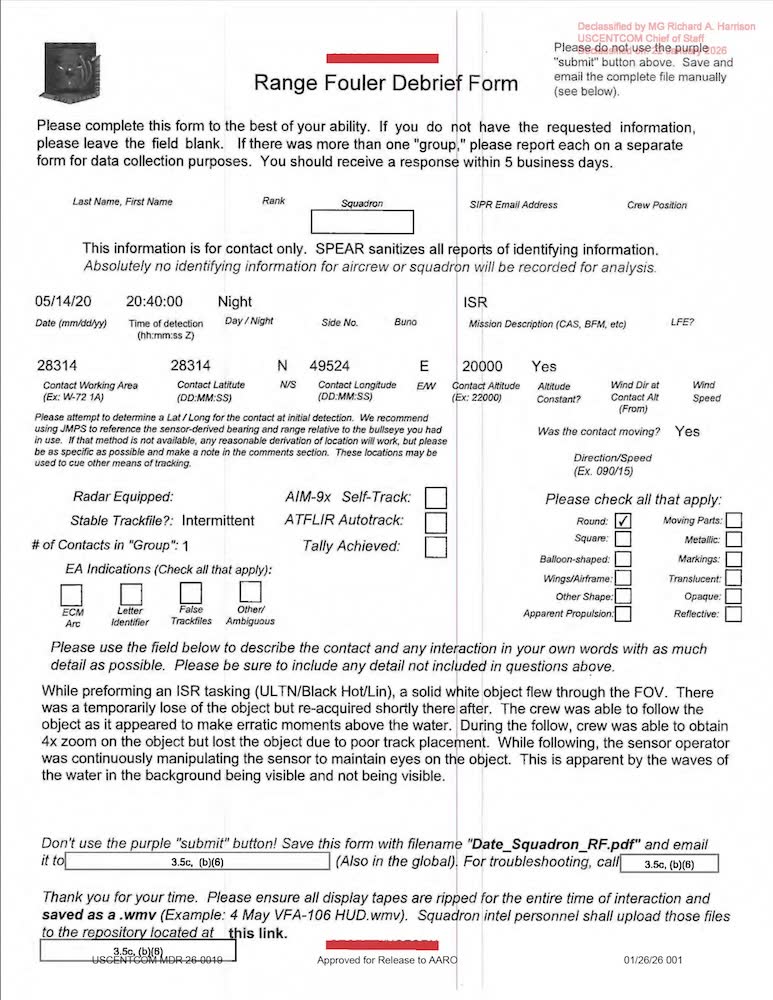
Department of Defense releases Navy UAP videos
The Department of Defense authorized public release of three Navy videos showing unidentified aerial phenomena.
It moved several widely discussed clips from leaked internet material into official public release.
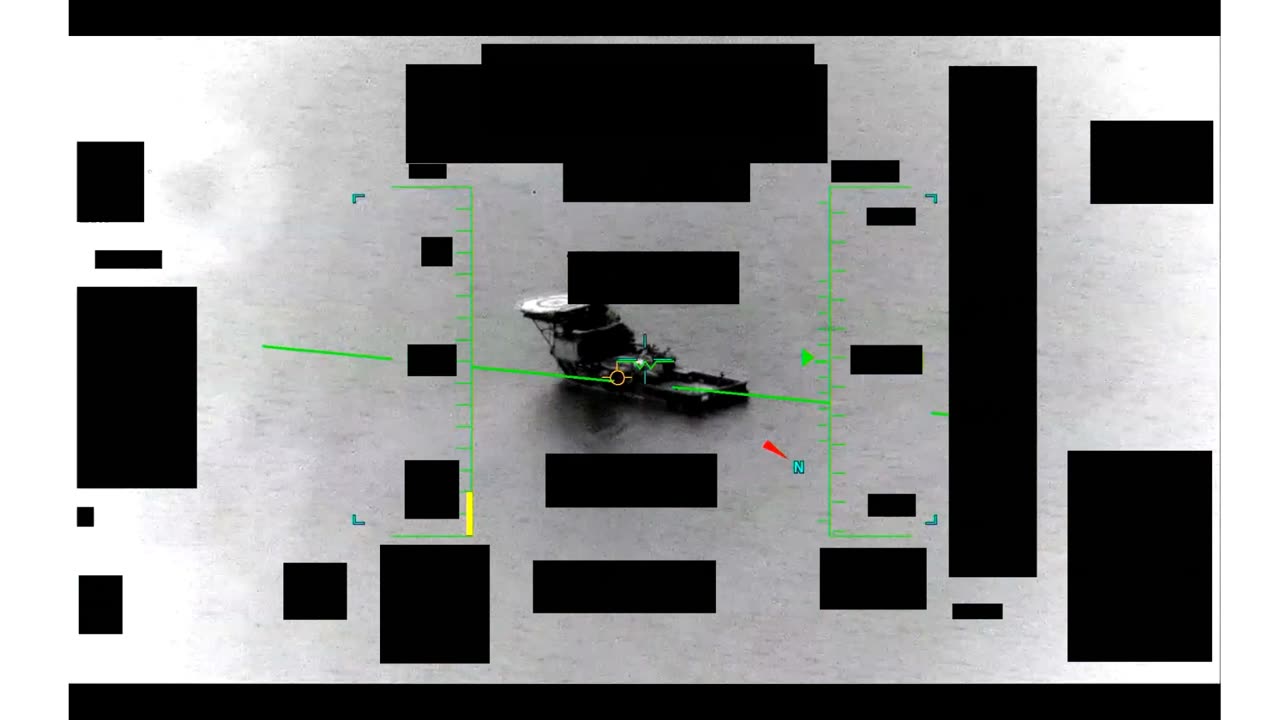
60 Minutes brings military UAP reports to prime-time TV
CBS interviewed pilots, former officials, and investigators about UAPs regularly reported in restricted U.S. airspace.
It helped move the topic from niche communities into mainstream broadcast journalism.
ODNI Preliminary Assessment on UAP
The Office of the Director of National Intelligence released an unclassified assessment on unidentified aerial phenomena.
It gave the public a formal intelligence frame for UAP reporting and data gaps.
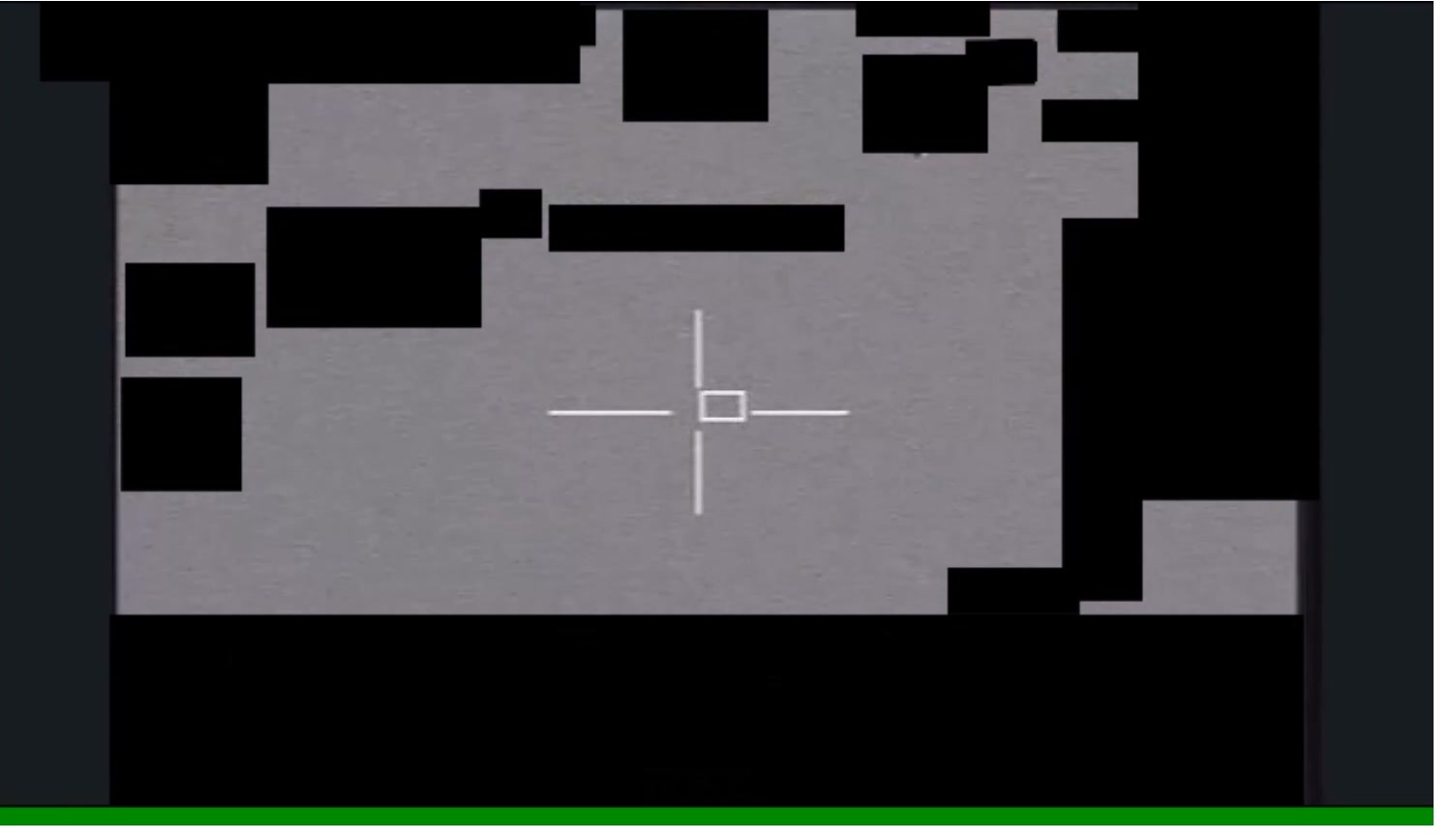
House Oversight UAP hearing
The House Oversight Committee held a public hearing on UAP, national security, public safety, and government transparency.
It put military witnesses and whistleblower claims into a public congressional record.
House UAP hearing: Exposing the Truth
A 2024 House hearing revisited UAP transparency with testimony from former officials and advocates, drawing attention but limited direct evidence.
It shows how UAP culture has become part of recurring congressional oversight, not a one-off hearing.
New Jersey drone sightings
Reports of unidentified drones across New Jersey and nearby states created a public panic, federal investigation, and debate over misidentification and airspace security.
It is a fresh example of how drones, aircraft, social media, and official uncertainty can recreate UFO-style public dynamics.
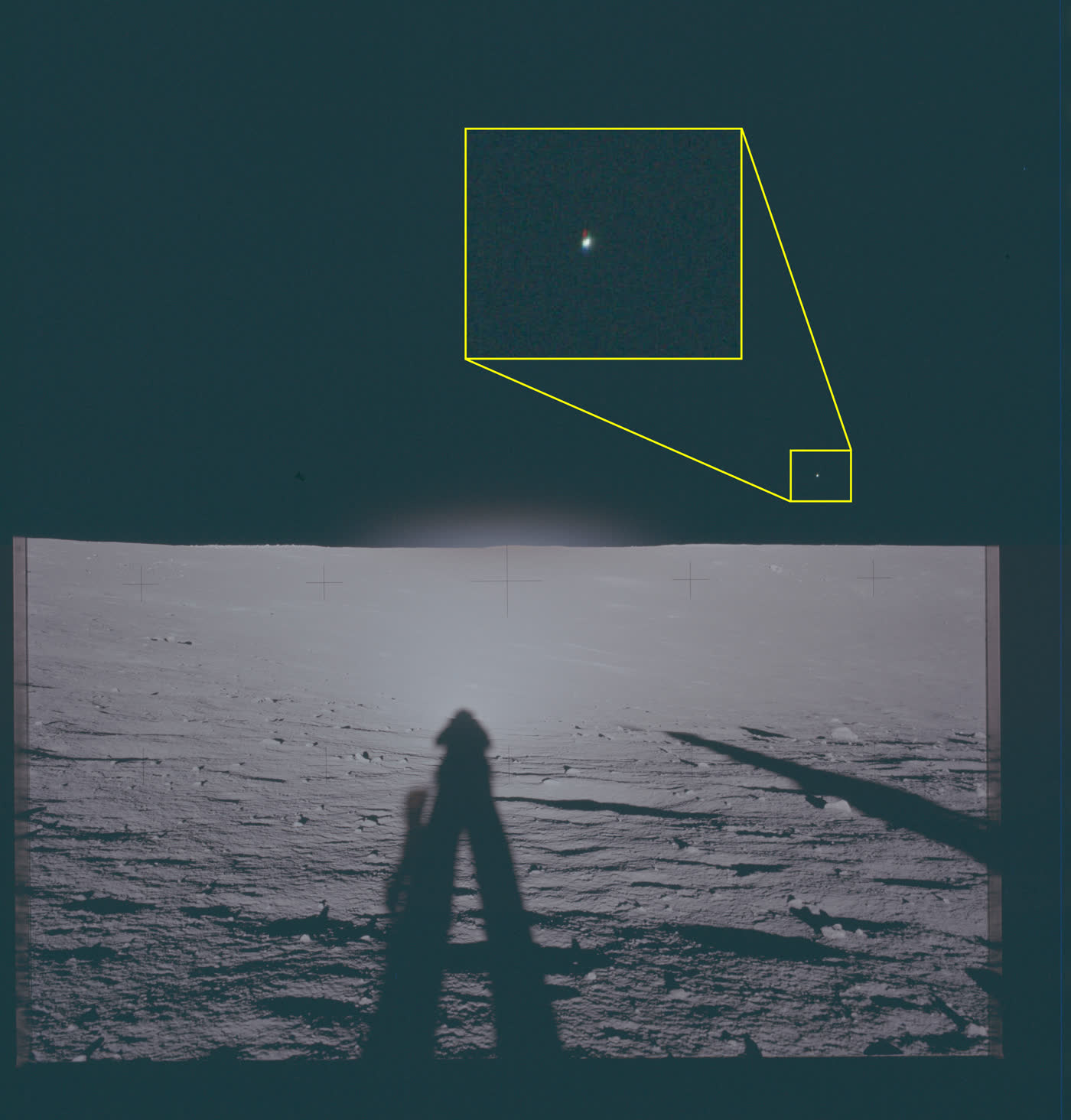
NASA UAP Independent Study Team report
NASA published recommendations on how the agency could contribute to better UAP data collection and analysis.
It framed UAP as a data-quality and scientific-method problem rather than only a defense topic.
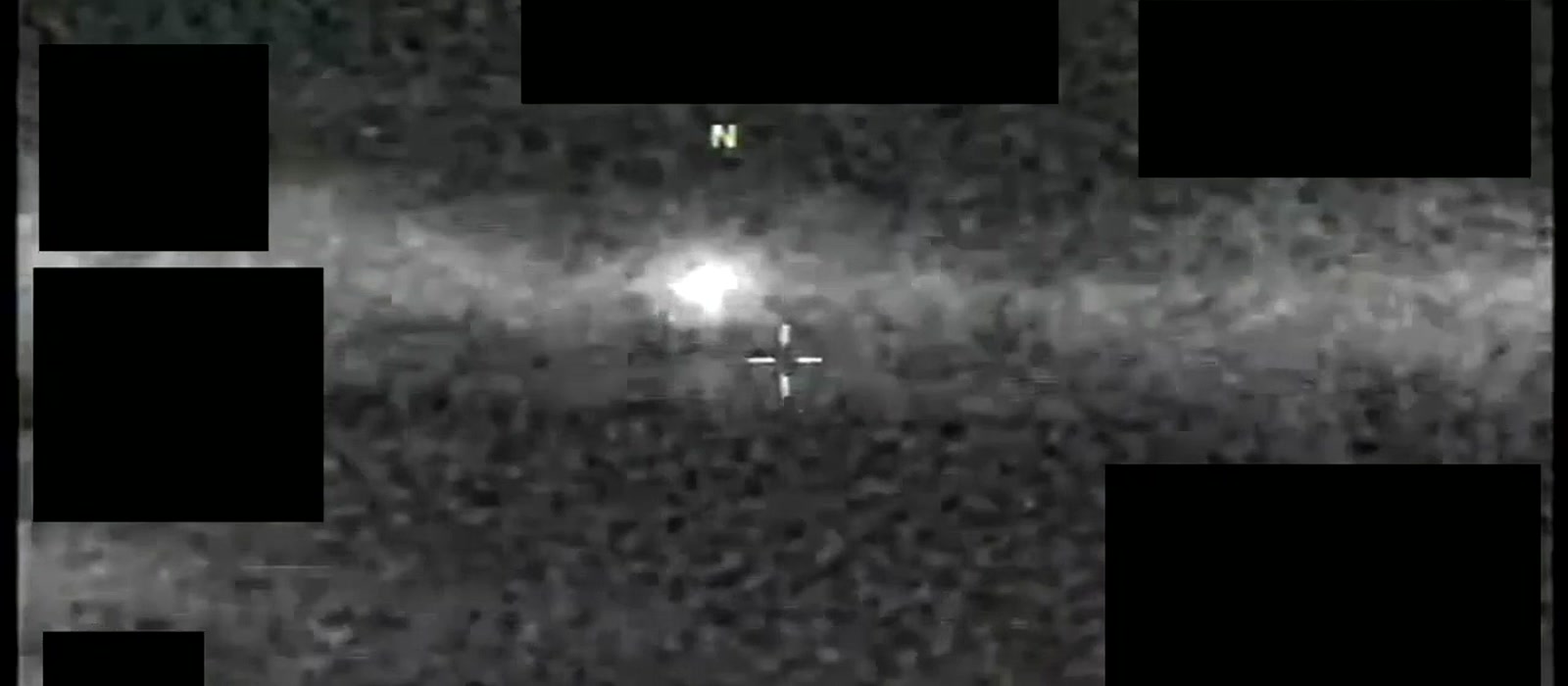
AARO Historical Record Report, Volume I
The All-domain Anomaly Resolution Office published a historical review of U.S. government involvement with UAP.
It became a major official reference point for the dispute over hidden programs and historical claims.
Use this cultural map alongside the source archive.
Browse declassified documents